Most businesses use the word “cloud” without knowing exactly what they are paying for or who is responsible when something breaks at 2 a.m. That gap usually shows up at the worst possible time, during a traffic spike, a failed deployment, or an outage with no clear owner.
This guide explains what cloud solutions and DevOps actually cover, what a cloud and DevOps company does day to day, what affects cost, and what to check before hiring one.
Quick Answers
What is the difference between cloud hosting and DevOps?
Cloud hosting is where an application runs (servers, storage, and networking provided by AWS, Google Cloud, or similar). DevOps is how it gets there and stays running: the practices and automation around building, testing, deploying, and monitoring software reliably.
Does a small business really need DevOps?
Not always in a dedicated role, but even a small team benefits from basic DevOps practices such as automated deployments and monitoring, since manual deployments are where most outages start.
Is cloud hosting more expensive than traditional hosting?
Not inherently. Cloud hosting is usage-based, so cost depends on how resources are configured and managed. Poorly optimized cloud setups can cost more than traditional hosting; well-managed ones often cost less over time.
How long does it take to migrate to the cloud?
It depends on the complexity of the existing system. A simple application can move in days; a legacy system with many dependencies can take weeks or longer to migrate safely.
What Are Cloud Solutions and DevOps?
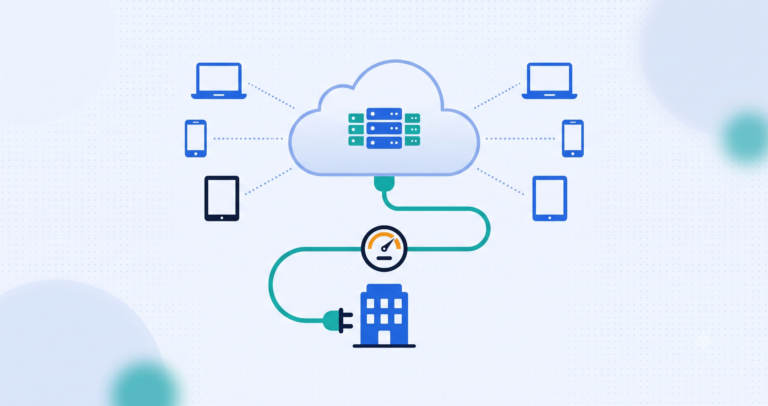
Cloud solutions refers to running applications and storing data on infrastructure provided by a cloud platform, such as AWS, Google Cloud, or Azure, instead of on a business’s own physical servers. DevOps refers to the practices and tooling that connect development and operations, automated testing, deployment pipelines, and monitoring, so software can be released frequently and reliably instead of through slow, risky manual releases.
The two are usually delivered together, since cloud infrastructure without proper DevOps practices tends to be hard to manage, and DevOps practices without solid cloud architecture have little reliable infrastructure to build on.
What a Cloud Solutions and DevOps Company Actually Does
- Cloud architecture and setup. Choosing the right provider and configuring servers, storage, and networking around the application’s actual needs.
- Migration. Moving existing systems from on-premise servers or another host to cloud infrastructure without downtime or data loss.
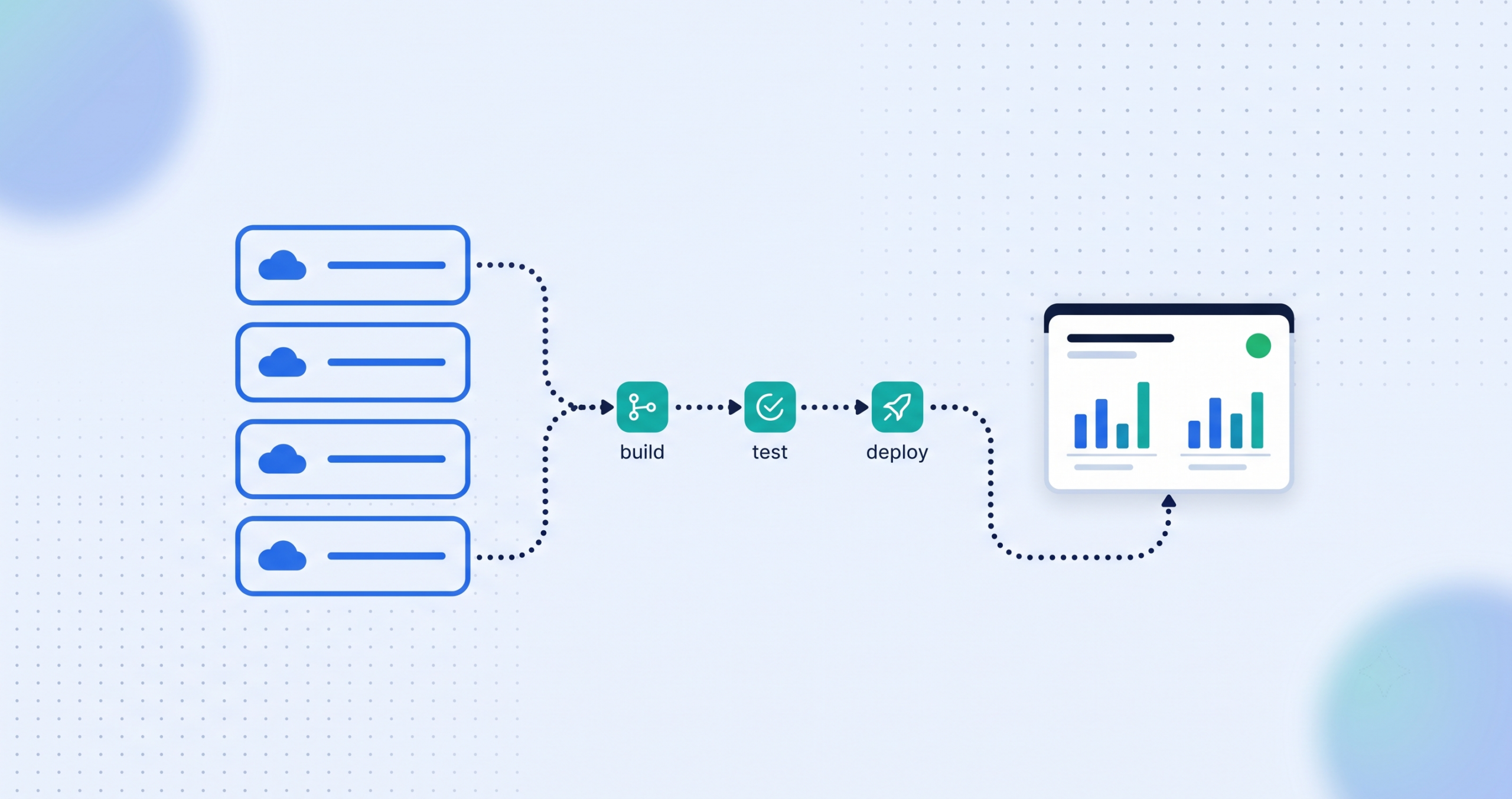
- CI/CD pipeline setup. Automating the build, test, and deployment process so releases are consistent and less error-prone than manual deployments.
- Monitoring and alerting. Tracking uptime, performance, and errors so issues are caught before users notice them.
- Security and backups. Managing access control, encryption, and disaster recovery so data is protected and recoverable.
- Ongoing management and scaling. Adjusting resources as traffic grows and keeping cost aligned with actual usage.
Cloud Hosting vs Traditional Hosting
| Factor | Cloud Hosting | Traditional / Shared Hosting |
|---|---|---|
| Scalability | Resources scale up or down on demand | Fixed capacity, often needs manual upgrades |
| Uptime and reliability | Built-in redundancy across servers or zones | Typically a single server, a single point of failure |
| Cost structure | Usage-based, pay for what is consumed | Fixed fee regardless of actual usage |
| Setup complexity | Requires proper architecture and DevOps practices | Simple, minimal setup |
| Best fit | Growing businesses or apps with variable traffic | Small, low-traffic static sites |
Why Businesses Invest in Cloud Solutions and DevOps
- Reliability. Redundant infrastructure avoids a single server outage taking the whole application down.
- Faster, safer releases. Automated deployment pipelines reduce the manual errors that cause most outages.
- Scalability during demand spikes. Resources can scale up for a traffic surge and back down afterward.
- Cost control. Usage-based pricing avoids paying for idle capacity that traditional hosting often requires upfront.
- A stronger security posture. Access control, encryption, and backups are built into the architecture rather than bolted on later.
Frameworks such as the AWS Well-Architected Framework and the Google Cloud Architecture Framework outline what well-built cloud infrastructure should look like across security, reliability, performance, and cost. Both are useful references when reviewing a vendor’s technical practices, regardless of which provider they recommend.
What Affects the Cost of Cloud Solutions and DevOps
- Compute, storage, and bandwidth usage, since cost scales with how much infrastructure the application actually consumes
- Architecture complexity, as multi-region or high-availability setups cost more than a single-server deployment
- Migration complexity, especially for legacy systems with dependencies that need to be reworked
- Level of automation, since a full CI/CD pipeline takes more setup than manual deployments
- Ongoing monitoring and support level, which is a recurring cost separate from initial setup
- Compliance or security requirements, which can add architecture and audit overhead
How to Choose a Cloud Solutions and DevOps Company in Chennai
- Direct access to the engineers managing the infrastructure, not just a support ticket queue
- Real experience with your specific cloud provider, whether that is AWS, Google Cloud, or another platform
- Clear uptime commitments, ideally backed by a stated SLA rather than a verbal assurance
- Documented security and backup practices, including how disaster recovery actually works
- Transparent, usage-based cost reporting, without hidden markups on cloud provider bills
- A defined incident response process for when something does go wrong
Cospixare Technologies, a Chennai-based cloud solutions and DevOps company, deploys client applications on AWS and GCP infrastructure and works toward a 99.9% uptime SLA, with encryption practices applied to data in transit and at rest. Cloud and DevOps work is typically scoped alongside custom software development or website development projects, so infrastructure decisions are made with the actual application in mind rather than as an afterthought.
Common Mistakes Businesses Make with Cloud and DevOps
- Migrating without a clear architecture plan, which often leads to a cloud bill that looks like the old server, just more expensive
- Setting up monitoring only after an outage, instead of before one
- Delaying backup and disaster recovery planning until data is already lost
- Over-provisioning resources “just in case” and paying for capacity that is never used
- Treating DevOps as a one-time setup rather than an ongoing practice that needs maintenance
Final Thoughts: Infrastructure That Stays Out of the Way
Good cloud and DevOps work is usually invisible when it is done well: releases go out smoothly, the site stays up during a traffic spike, and nobody is debugging a server at midnight. Understanding what a cloud solutions and DevOps company actually does makes it easier to ask the right questions and avoid paying for infrastructure that was never built with the application’s actual needs in mind.
Have a specific setup in mind? See Cospixare’s FAQ and knowledge base, or speak with Cospixare Technologies to scope your infrastructure needs. You can also explore the full range of Cospixare services.
Frequently Asked Questions
What’s the difference between cloud hosting and a traditional web host?
Traditional hosting typically runs a site on a single, fixed-capacity server. Cloud hosting distributes resources across a flexible, scalable infrastructure that can grow or shrink with demand and generally offers better redundancy against a single point of failure.
Do I need a dedicated DevOps engineer, or can this be outsourced?
Most small and mid-sized businesses outsource this rather than hiring a full-time DevOps engineer, since the setup and ongoing management can be handled by a development partner alongside the application itself.
Is moving to the cloud always cheaper?
Not automatically. Cost depends on how the infrastructure is configured and managed. A well-architected cloud setup is often more cost-efficient over time, but a poorly managed one can end up more expensive than traditional hosting.
How long does a cloud migration take?
It depends on the complexity of the system being migrated. A simple application can move in a matter of days, while a legacy system with many integrations and dependencies can take considerably longer to migrate without downtime.
What happens if the cloud provider itself has an outage?
Major cloud providers publish their own uptime track records and status pages. Good architecture reduces exposure to a single provider outage through redundancy, but no cloud setup is immune to a provider-level incident, which is why monitoring and a incident response plan matter.
Can Cospixare manage an existing AWS or GCP setup, or only build new ones?
Both. Cloud and DevOps engagements can start with an existing AWS or GCP environment or be built from scratch, depending on what the business already has in place.
Related Cospixare Services
- Cloud Solutions and DevOps
- Custom Software Development
- Website Development
- All Cospixare Services
- FAQ and Knowledge Base
- Contact / Get a Project Estimate
Further Reading